Transformer bund fire walls rarely get the attention they deserve, until something goes wrong. These structures sit quietly on substations across the country, often taken for granted, yet they carry an enormous responsibility: containing catastrophic oil spills, preventing fire spread, and protecting people and plant in the worst-case scenario. Choosing the right material for the job requires more than a glance at the lowest tender price. Here, I walk through the four most common construction options and what really matters when making that decision.
Transformer bund fire walls are not just boundary structures. They are safety-critical elements designed to:
From a civil engineering standpoint, material selection is driven by performance, durability, constructability and whole-life cost, not simply initial price.
Below, I examine the four principal material options commonly used in the UK:
In situ reinforced concrete is the traditional and often preferred solution for transformer bund fire walls, particularly in primary substations and DNO installations.
The bund base and walls are typically cast monolithically, providing both oil containment and fire separation in a single structural system.
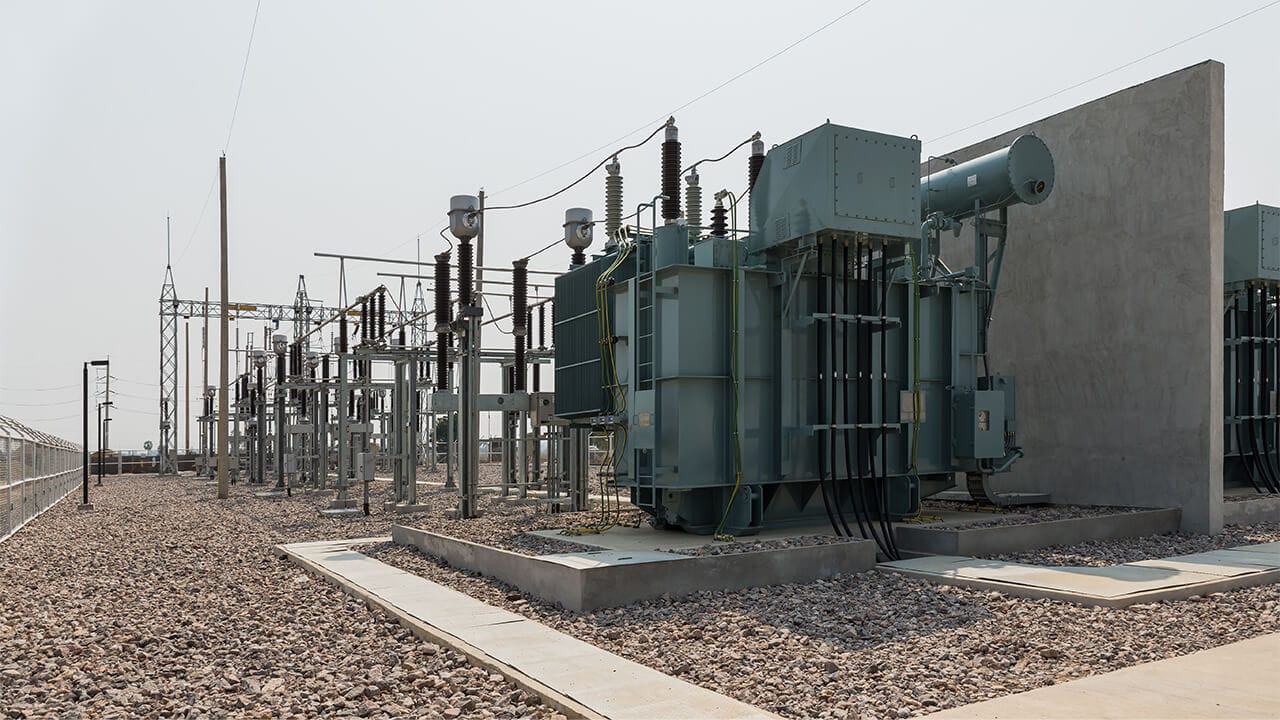
Typically, the highest capital cost option, particularly where heavy reinforcement or thicker fire walls are required.
Moderate to slow. Programme impact depends on curing time and sequencing within the wider civil works.
Precast reinforced concrete panels are manufactured in factory conditions and installed on site onto prepared foundations or RC base slabs.
They offer similar structural and fire performance to in situ concrete but with different constructability advantages.
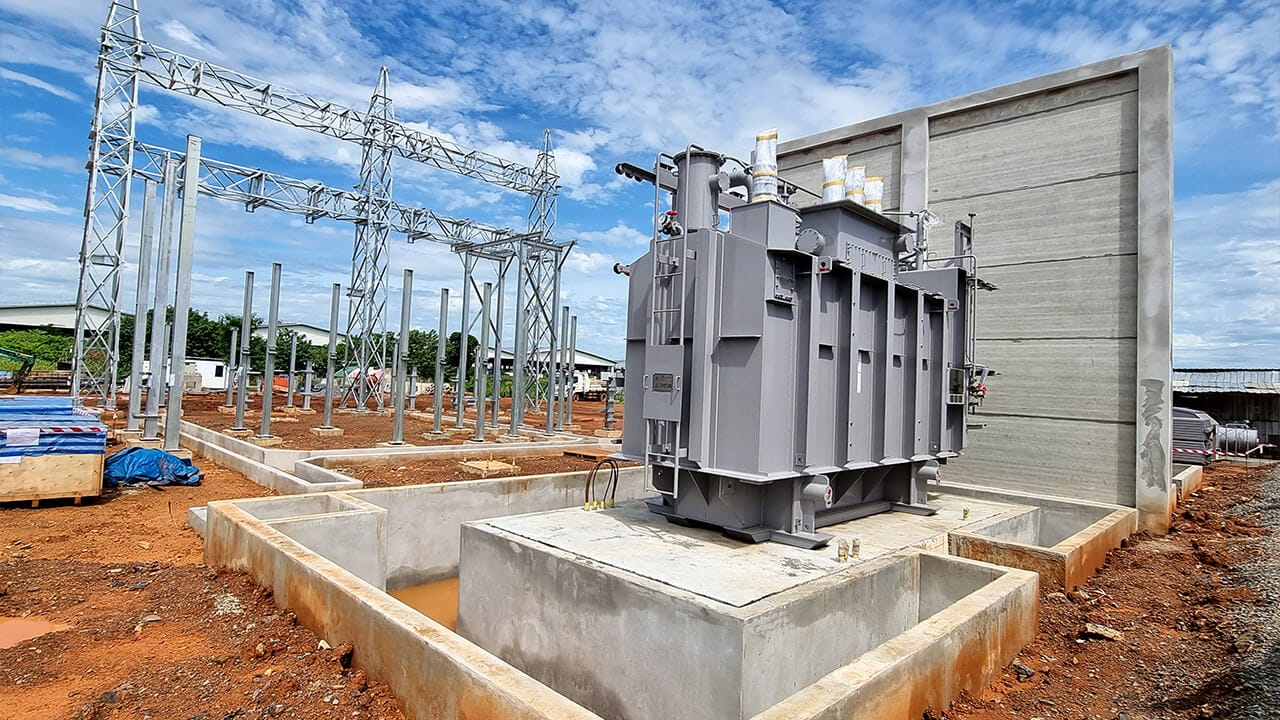
Moderate to high. Often competitive when programme savings are factored in.
Fast once foundations are ready. Significant programme benefit over in situ concrete.
Masonry bund fire walls are generally constructed using concrete blockwork, sometimes reinforced and grouted for additional strength.
They are typically used for smaller installations or lower-risk environments.
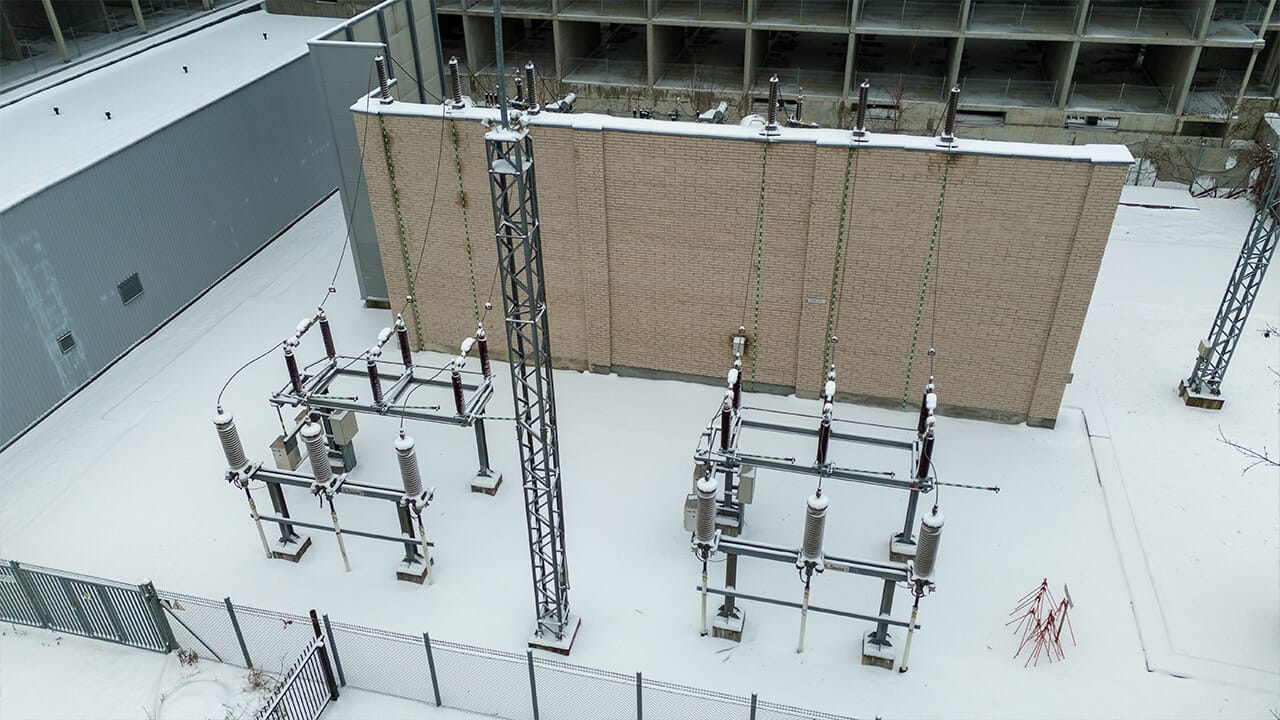
Lowest upfront capital cost.
Moderate. Labour-intensive and dependent on blocklaying productivity.
Steel bund fire walls are typically modular systems formed from galvanised or coated steel panels, fixed to structural steel frames and anchored to foundations.
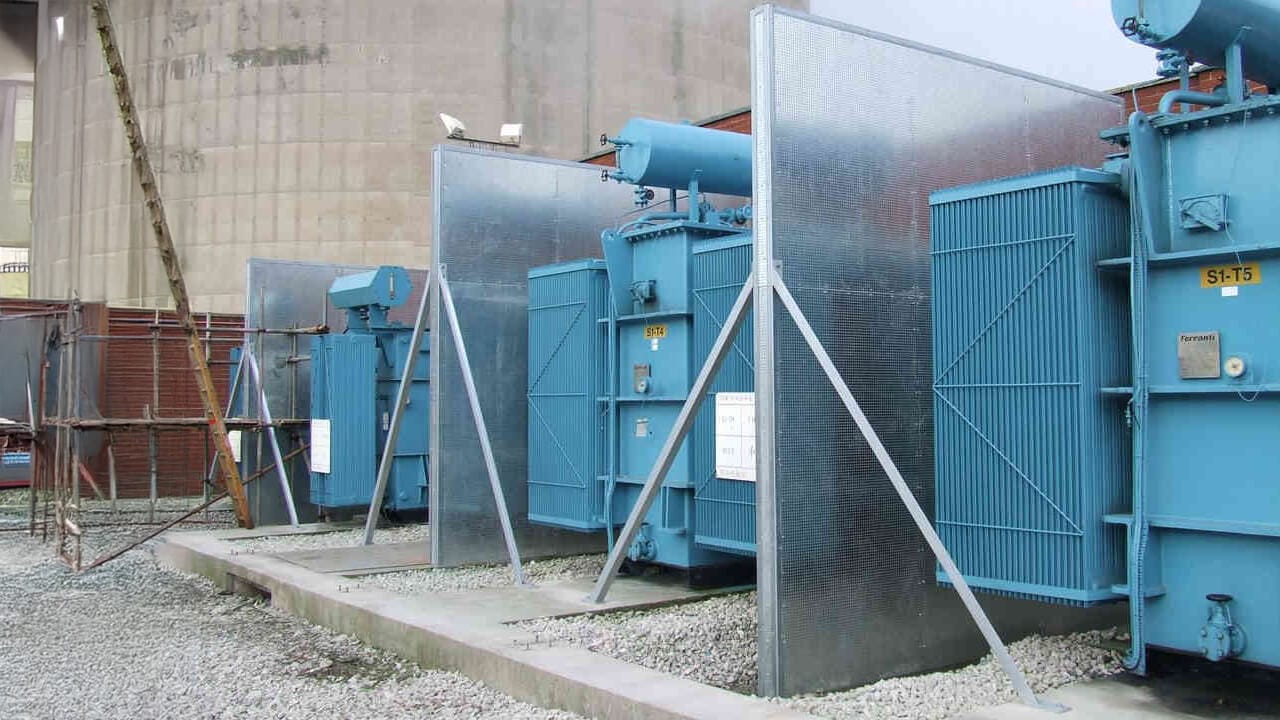
Very fast once foundations and steel frame are prepared.
| Material | Capital Cost | Speed of Construction | Fire Resistance | Structural Robustness | Maintenance | Typical Design Life | Typical Application |
|---|---|---|---|---|---|---|---|
|
In Situ Reinforced Concrete |
High |
Moderate–Slow |
Excellent (2–4+ hrs) |
Excellent |
Low |
50–60+ years |
Primary substations, DNO sites |
|
Precast Reinforced Concrete |
Moderate–High |
Fast |
Excellent |
Very Good |
Low–Moderate (joints) |
40–60 years |
Modular or time-critical schemes |
|
Masonry (Blockwork) |
Low |
Moderate |
Good |
Moderate |
Moderate |
25–40 years |
Smaller private installations |
|
Steelwork |
Moderate |
Very Fast |
Poor without protection |
Moderate |
High |
20–40 years |
Removable for transformer installation |
When designing transformer bund fire walls, we focus on five key questions:
For permanent primary substations, reinforced concrete, whether in situ or precast, almost always provides the most reliable, durable and compliant solution.
Masonry and steelwork systems certainly have their place, but typically in smaller, temporary or lower-risk environments.
Ultimately, bund fire walls are designed for worst-case scenarios. Material choice should reflect that reality, prioritising performance, resilience and long-term safety over short-term savings.
Please fill in the form and we will get back to you as soon as possible to discuss your new project.
In an age where infrastructure is ageing and maintenance budgets are tightening, asset owners are
Read More >>
Transformer bund fire walls rarely get the attention they deserve, until something goes wrong. These
Read More >>
When culverts reach the end of their service life, one of the most common intervention
Read More >>