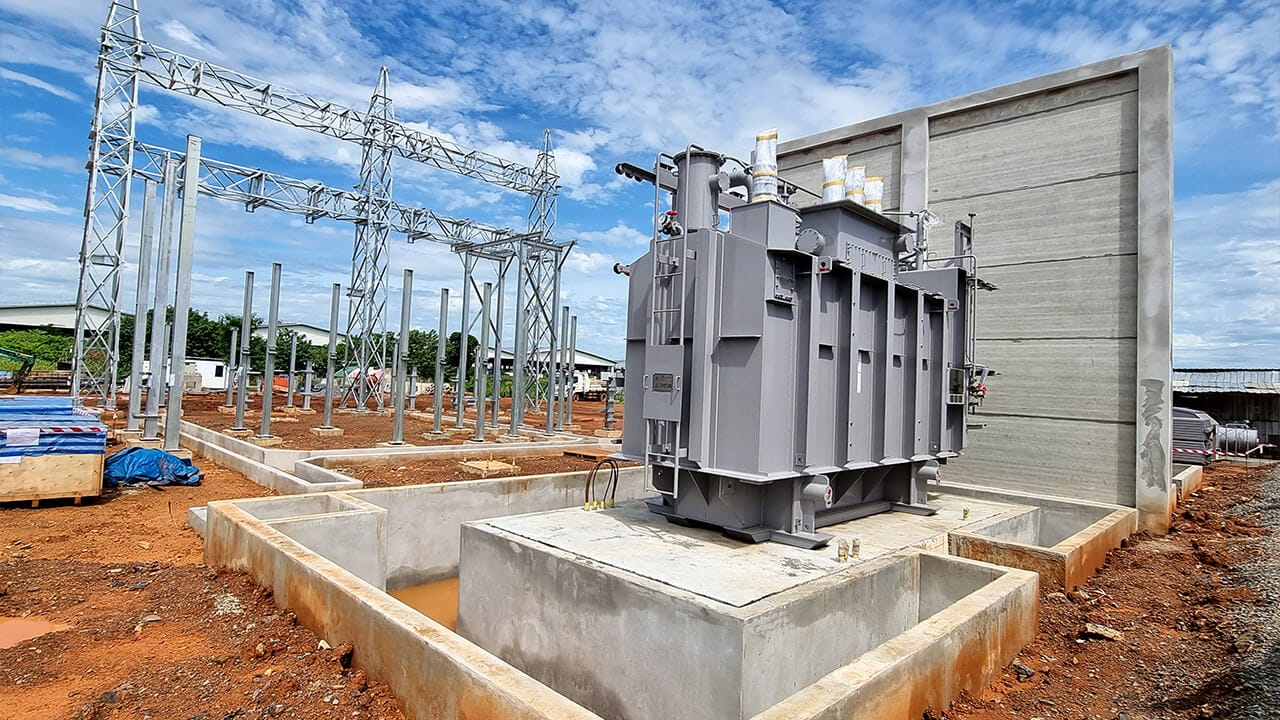
Highway legislation in the UK plays a key role in how new developments connect to existing roads, how private streets become public highways, and how structures such as retaining walls are controlled and approved.
For developers, getting this wrong can lead to delays, redesigns, or costly remedial works. This guide explains the most common areas of highway legislation that affect development projects, with a focus on Sections 38 and 278 of the Highways Act 1980, and the rules around highway retaining walls. While much of the process is similar across the UK, there are important legal differences between England and Wales, Scotland, and Northern Ireland.
This guide has been prepared by Matrix Consulting Engineers, who regularly support schemes across the UK through highway design, approvals, and technical assurance.

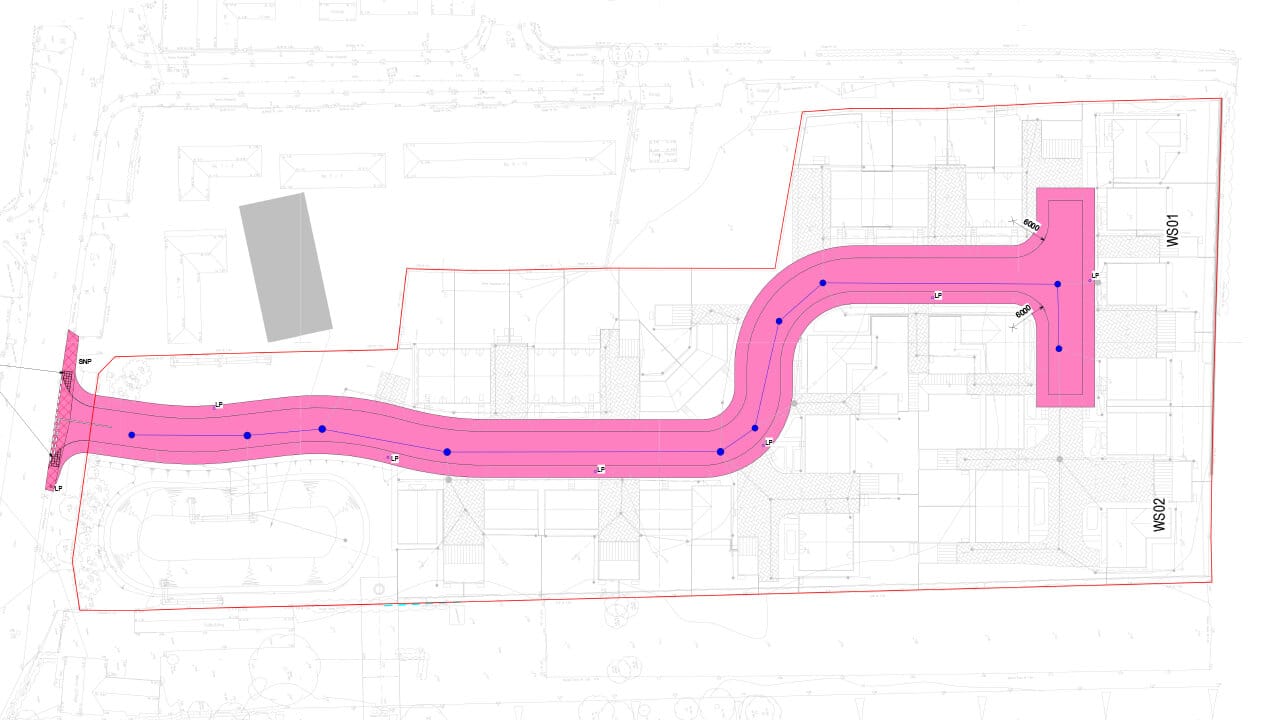
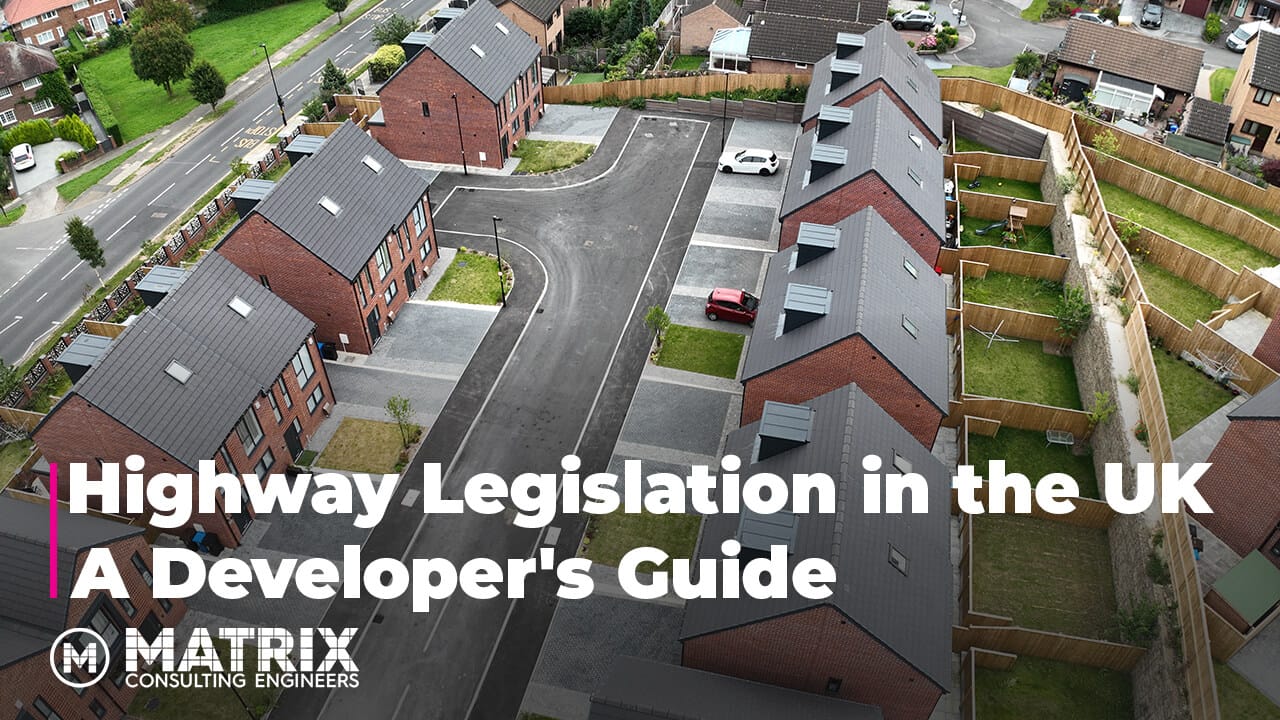
A Section 38 Agreement is used when a developer wants a new road, built as part of a development, to be adopted by the local highway authority.
Under Section 38 of the Highways Act 1980, the highway authority may enter into an agreement with a developer where:
Once adopted, the road becomes maintainable at public expense, meaning future upkeep is handled by the highway authority rather than residents or a management company.
Scotland does not use Section 38 agreements. Instead, new roads are dealt with under the Roads (Scotland) Act 1984, through a process known as Road Construction Consent (RCC). Approval is granted before construction begins and adoption is linked directly to consent conditions. Roads authorities have stronger enforcement powers, so early engagement is essential.
Northern Ireland does not use Section 38 agreements. New roads are adopted through private street determinations under the Private Streets (Northern Ireland) Order 1980, overseen by the Department for Infrastructure. Adoption is controlled centrally, and timescales can be longer due to this central approval process.
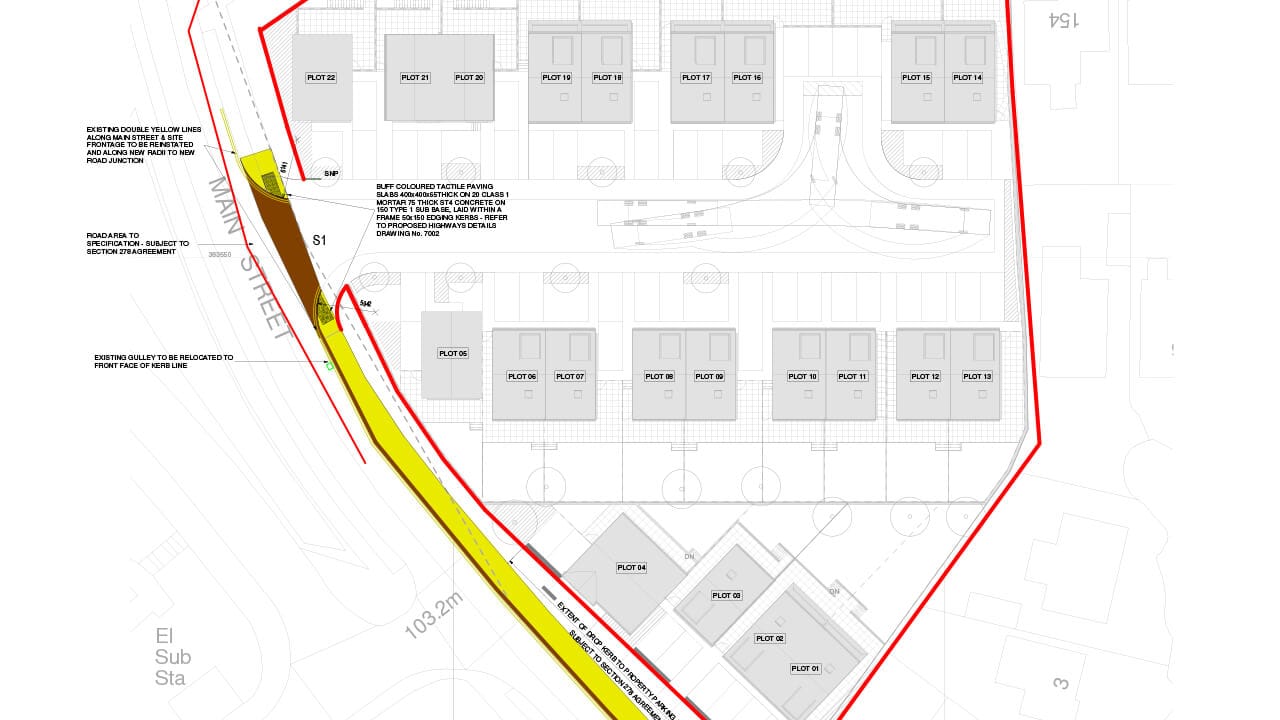
A Section 278 Agreement allows developers to make changes to the existing public highway to support their development. Under Section 278 of the Highways Act 1980, a highway authority may enter into an agreement with a developer to fund highway works, construct highway works, or both.
These works usually sit outside the red line boundary of the development site but are required to make the scheme acceptable.
Unlike Section 38, the works are carried out on an existing adopted highway, which means strict controls, approvals, and safety procedures apply.
Retaining walls near or within highways are closely controlled due to the risk they pose to public safety and the road network.
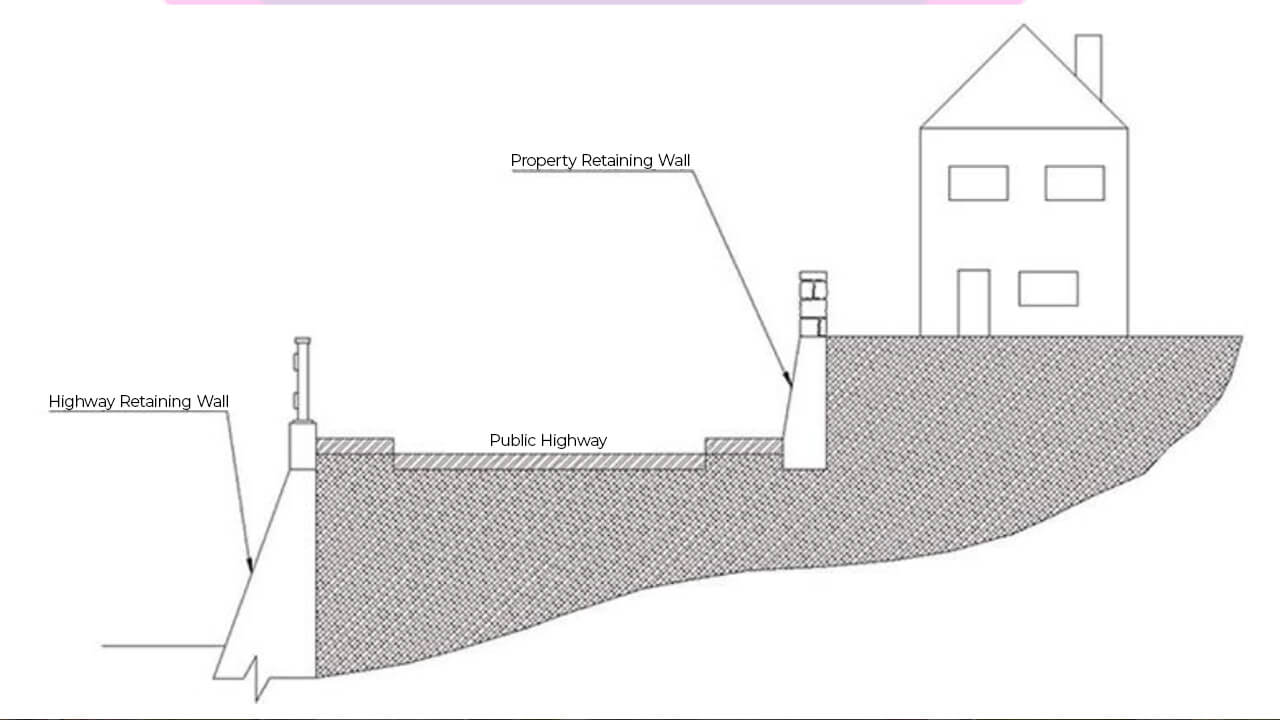
Retaining walls within or close to highway land usually fall into one of two categories:
These support the highway itself or an embankment that carries the highway. They are often the responsibility of the highway authority once adopted and are treated as highway structures subject to strict design and approval standards.
These sit alongside the highway, are usually above road level, and are generally private structures. Responsibility typically remains with the landowner, even though failure could still affect the highway.
Under Section 167(1) of the Highways Act 1980, a retaining wall requires formal approval if it is within 3.66 metres (4 yards) of the highway boundary and the retained height exceeds 1.37 metres (4 feet 6 inches). This may vary, however, depending on the adopting body.
In these cases, the structure must go through an Approval in Principle (AIP) process.
Many highway authorities apply a stricter rule, treating any wall over 1.5 metres as a highway structure regardless of location. Failure to secure approval can result in enforcement action or a requirement to remove or rebuild the structure.
For construction professionals, shrinkable soils affect more than just foundation design. They have implications for:
Early site investigation and clear communication between designers, contractors, and clients are essential. Decisions made at the concept or planning stage can prevent major issues years after project completion.
Section 38 deals with new roads being built and adopted as public highway. Section 278 deals with changes to existing public roads to accommodate a development. Many sites require both.
No. They apply only in England and Wales. Scotland uses the Roads (Scotland) Act 1984, and Northern Ireland uses the Private Streets (Northern Ireland) Order 1980. Different approval routes apply in each nation.
Yes — this is very common. Many sites require new estate roads under Section 38 and off-site junction improvements or pedestrian infrastructure under Section 278. Both agreements run in parallel and both affect programme.
Before adoption, the road remains private. Maintenance is the developer’s responsibility. This includes pothole repair, drainage, and lighting — costs that can be significant on larger schemes.
In England and Wales, this is typically when the wall supports the highway, exceeds the height limit of 1.37m, or sits within 3.66m of the highway boundary. Many authorities apply a 1.5m threshold regardless of proximity. Local rules can vary, so early consultation is recommended.
Highway legislation affects planning approval, construction cost, programme risk, and long-term liability. Early input allows designers to identify the right agreements, prepare compliant drawings first time, and avoid costly redesigns or enforcement action downstream.
Although highway legislation follows similar principles across the UK, the legal routes are different. Understanding which system applies is essential for safe, compliant, and timely delivery.
Matrix Consulting Engineers support clients across England, Wales, Scotland, and Northern Ireland, providing clear advice from early design through to approval and construction.
At Matrix Consulting Engineers, highway legislation is considered from the earliest design stage through to construction and adoption.
Please fill in the form and we will get back to you as soon as possible to discuss your new project.
A Practical Guide for Developers and Contractors Highway legislation in the UK plays a key
Read More >>
In an age where infrastructure is ageing and maintenance budgets are tightening, asset owners are
Read More >>
Transformer bund fire walls rarely get the attention they deserve, until something goes wrong. These
Read More >>